Find a Condition to Treat
Or scroll down to browse through all conditions
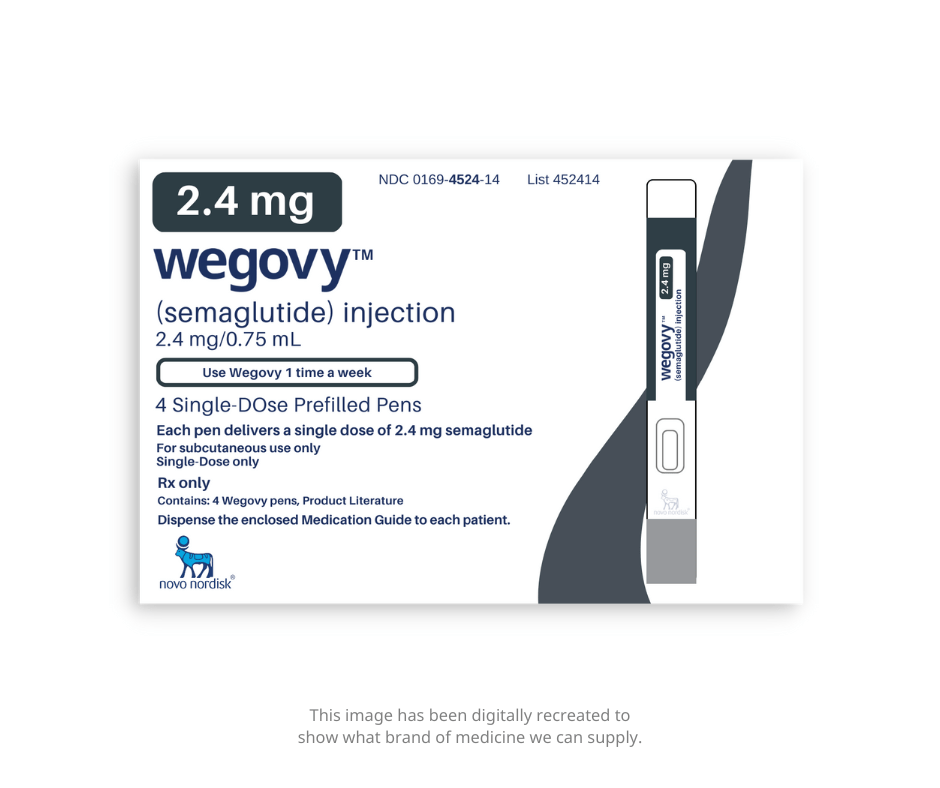
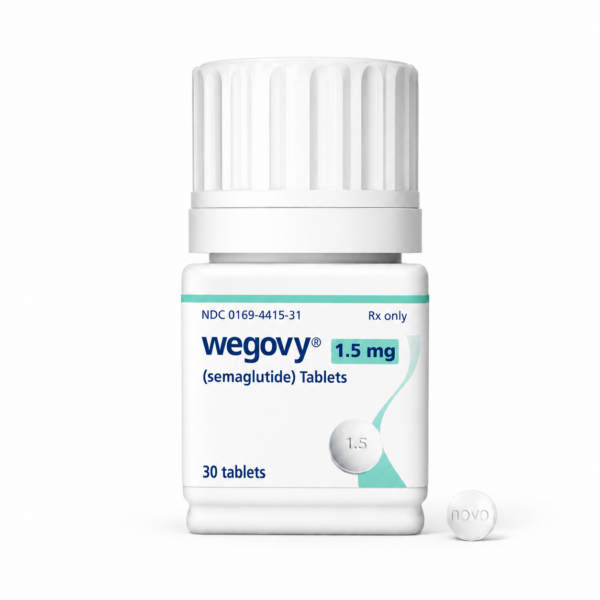
Weight Loss
Weight loss refers to the reduction of body weight, typically through a combination of diet, exercise, and lifestyle modifications. It is often pursued for health reasons, such as reducing the risk of chronic diseases like diabetes, heart disease, and certain cancers, as well as improving overall well-being and quality of life. Effective weight loss strategies focus on creating a calorie deficit, where the number of calories consumed is less than the calories expended. This can be achieved through diet changes and regular exercise. Sustainable weight loss involves making gradual and lasting changes to eating and exercise habits, as well as addressing emotional and behavioural factors that contribute to overeating or sedentary lifestyles.
Please wait while related products are loading

Treatments Using Vitamins and Minerals
Vitamins and Minerals are essential nutrients required for various bodily functions, including growth, immune function, and disease prevention. Most individuals get all their vital vitamins and minerals from eating a balanced diet, however, others may need to take extra supplements to make sure they are getting the right amount. Deficiencies can lead to various health issues, such as anaemia (iron deficiency), osteoporosis (calcium and vitamin D deficiency), and scurvy (vitamin C deficiency). Supplementation may be necessary for individuals with dietary restrictions or certain health conditions.
Please wait while related products are loading

Erectile Dysfunction
Erectile dysfunction (ED) is the inability to achieve or maintain an erection sufficient for sexual intercourse. Erectile dysfunction is a common condition. It occurs more frequently with age, affecting up to 50% of men aged between 40-70, and up to 70% of men over the age of 70. Causes include psychological factors, chronic diseases, and medications. Treatment includes lifestyle changes, oral medications, and therapy for underlying conditions. These treatments have been found to be effective in up to 80% of men, and are considered safe and cost-effective.
Please wait while related products are loading


Malaria Prevention
Malaria is a mosquito-borne disease caused by Plasmodium parasites carried by Anopheles mosquitoes. While malaria is curable, it leads to fever, chills, and flu-like symptoms, and can cause severe illness. Prevention includes using insect repellent, sleeping under bed nets, and taking antimalarial medications when travelling to high-risk areas. Prompt treatment is crucial for preventing potentially life-threatening complications.
Please wait while related products are loading

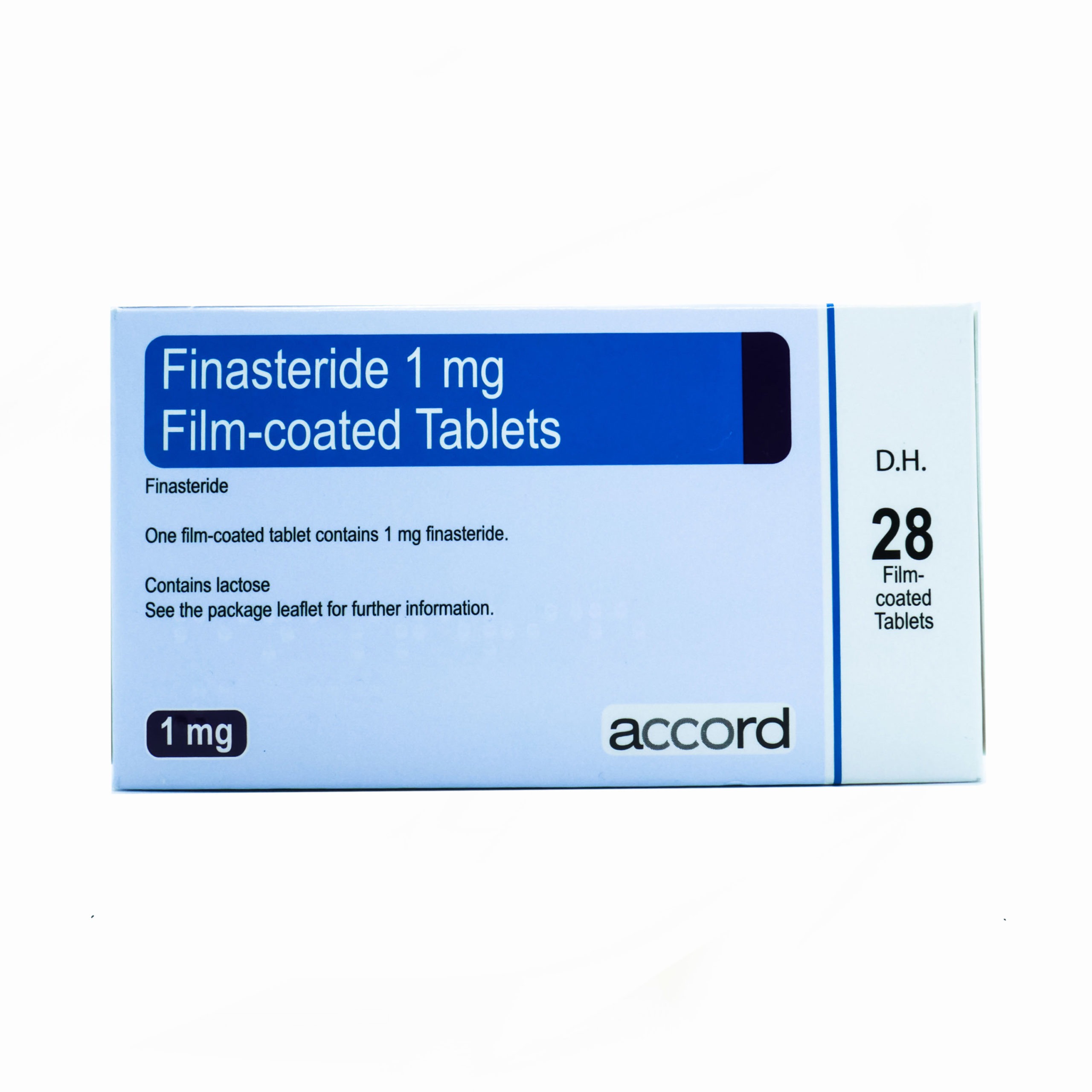
Male Hair Loss
Male pattern baldness is a common, genetic condition that leads to permanent hair loss. Male pattern baldness affects 50% of men over 50 years of age but can also affect men in their 20s. The hair loss in male pattern baldness starts as a thinning of the hair at the sides and on the top of the head. So it’s this “pattern” that defines the condition and separates it from other types of hair loss. While this form of hair loss in men isn’t serious and doesn’t need treatment, it is permanent and can be distressing. The loss of hair can affect your confidence and self-esteem. However, there are several treatment options available to stop your hair loss and even regrow new hair.