Hair loss is a concern that affects millions of men and women across the UK. Whether it’s gradual thinning at the crown, a receding hairline, or more sudden shedding, many people turn to natural remedies in the hope of restoring their confidence. One of the most popular natural solutions in recent years is rosemary oil for hair loss—but how does it stack up against medical treatments like finasteride? And more importantly, can you combine both for better results?
At Townhead Pharmacy in Kilwinning, we’re often asked whether herbal or over-the-counter options can be used alongside prescription medication. In this article, we’ll explore the role of rosemary oil in hair health, the strengths of clinically proven treatments, and how a combined approach might offer the best of both worlds.
What Is Rosemary Oil and How Might It Help?
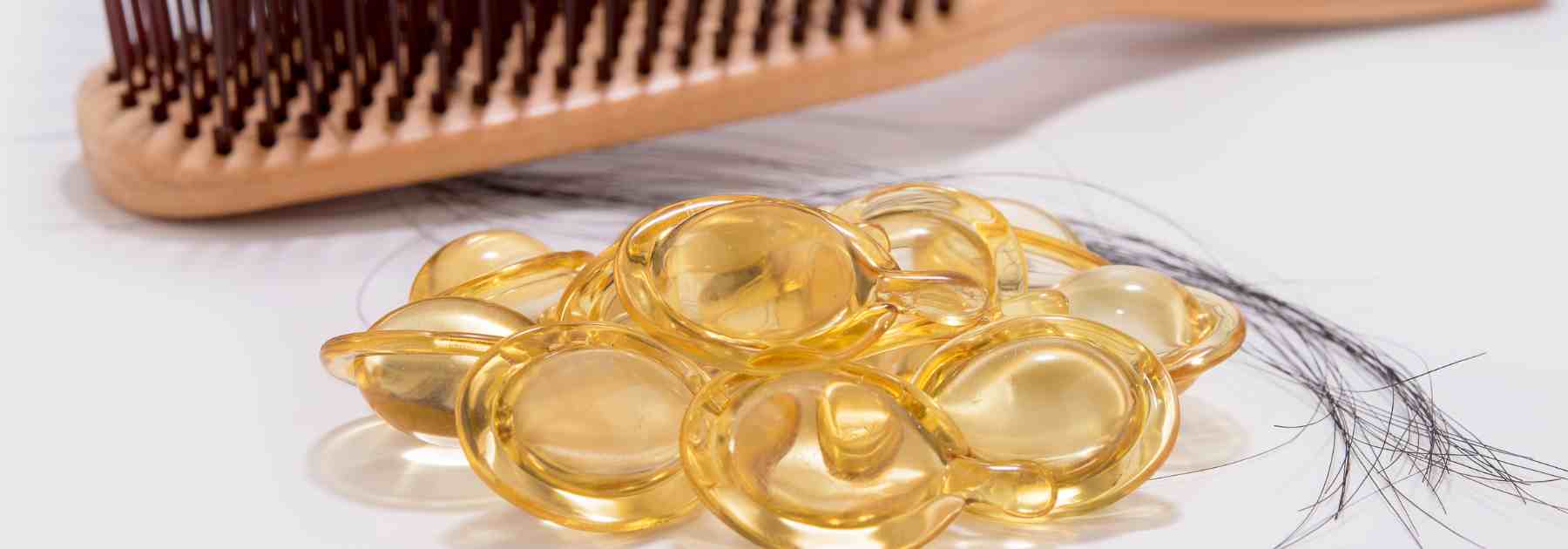
Rosemary oil is a natural essential oil extracted from the rosemary plant. It’s been used for centuries in traditional medicine for its anti-inflammatory and antimicrobial properties. More recently, it has gained popularity as a potential remedy for hair thinning and scalp issues.
So, what’s the evidence? Some small studies have suggested that rosemary oil may help improve circulation in the scalp, which could stimulate hair follicles and encourage growth. One study even compared it to 2% minoxidil and found similar results after six months. However, the sample size was small, and more robust research is needed before we can fully endorse rosemary oil as a primary treatment for hair loss.
The Case for Medical Hair Loss Treatments
While rosemary oil shows promise, medically licensed treatments remain the gold standard when it comes to treating male pattern baldness and other common forms of hair loss.
Finasteride 1mg is a popular option. It is a once-daily oral tablet that reduces levels of DHT (dihydrotestosterone), the hormone responsible for shrinking hair follicles in men.
Minoxidil is a topical solution that stimulates hair growth and is used by both men and women.
Of the two, finasteride is the most effective treatment for male pattern hair loss, with clinical studies showing that it halts progression in over 80% of users and promotes regrowth in many cases—especially at the crown and mid-scalp.
Unlike rosemary oil, finasteride is supported by years of data and NICE-approved for medical use in the UK. It targets the underlying hormonal cause of hair loss, rather than just treating symptoms or surface-level concerns.
Can I Use Rosemary Oil with Finasteride or Minoxidil?
Yes—in fact, many people use rosemary oil for hair loss as part of a holistic treatment plan. Since rosemary oil is applied topically and finasteride is taken orally, there is no known interaction between the two. Minoxidil and rosemary oil can also be used together, as long as they are applied at different times to avoid skin irritation or dilution.
Here’s what a combined approach might look like:
1. Finasteride 1mg once daily to reduce DHT and prevent further loss
2. Minoxidil twice daily (if advised) to stimulate growth
3. Rosemary oil 2–3 times a week, diluted in a carrier oil like jojoba or coconut, massaged into the scalp before rinsing
This combined strategy supports hair health from multiple angles: hormonal, follicular, and circulatory. While rosemary oil alone is unlikely to regrow significant hair in advanced stages, it may enhance scalp condition, reduce inflammation, and complement the effects of prescription treatment.
It is also advised to tackle stress, live well, and get plenty of sleep to support hair regrowth.
How to Use Rosemary Oil Safely
If you’re thinking of trying rosemary oil for hair loss, here are some practical tips:
Dilute the oil: Essential oils are highly concentrated. Always dilute rosemary oil with a carrier oil to avoid irritation.
Patch test first: Apply a small amount to your inner arm or behind your ear to check for reactions.
Apply consistently: Use 2–3 times a week and massage gently into the scalp for a few minutes.
Leave it in for at least 30 minutes, or overnight if comfortable, before washing out.
Always speak to a pharmacist or GP if you have any skin conditions or are using other topical treatments, to ensure compatibility.

Our Recommendation at Townhead Pharmacy
While rosemary oil has a role to play in natural hair care, it should not be seen as a substitute for clinically proven medications. If your hair loss is genetic or hormonally driven, like male pattern baldness, it is best managed with finasteride 1mg, which addresses the root cause.
That said, combining rosemary oil with medical treatments can be a smart and balanced strategy—especially for men looking to improve scalp health and overall hair quality while benefiting from DHT suppression.
At Townhead Pharmacy in Kilwinning, we offer private consultations to help you find the right approach to hair loss management. Whether you’re interested in finasteride, minoxidil, or a tailored plan that includes natural support like rosemary oil, we’ll guide you with honest, evidence-based advice.
Ready to Take Action?
If you’re struggling with thinning hair and considering your options, book a consultation with our team today. We’ll help you find a safe, effective, and realistic plan—whether you’re exploring rosemary oil for hair loss, medical treatments, or a combination of both.

Your confidence starts with the right care. Let us help you get there—reach out today!
This blog was written on behalf of Townhead Pharmacy by Pharmacy Mentor.